
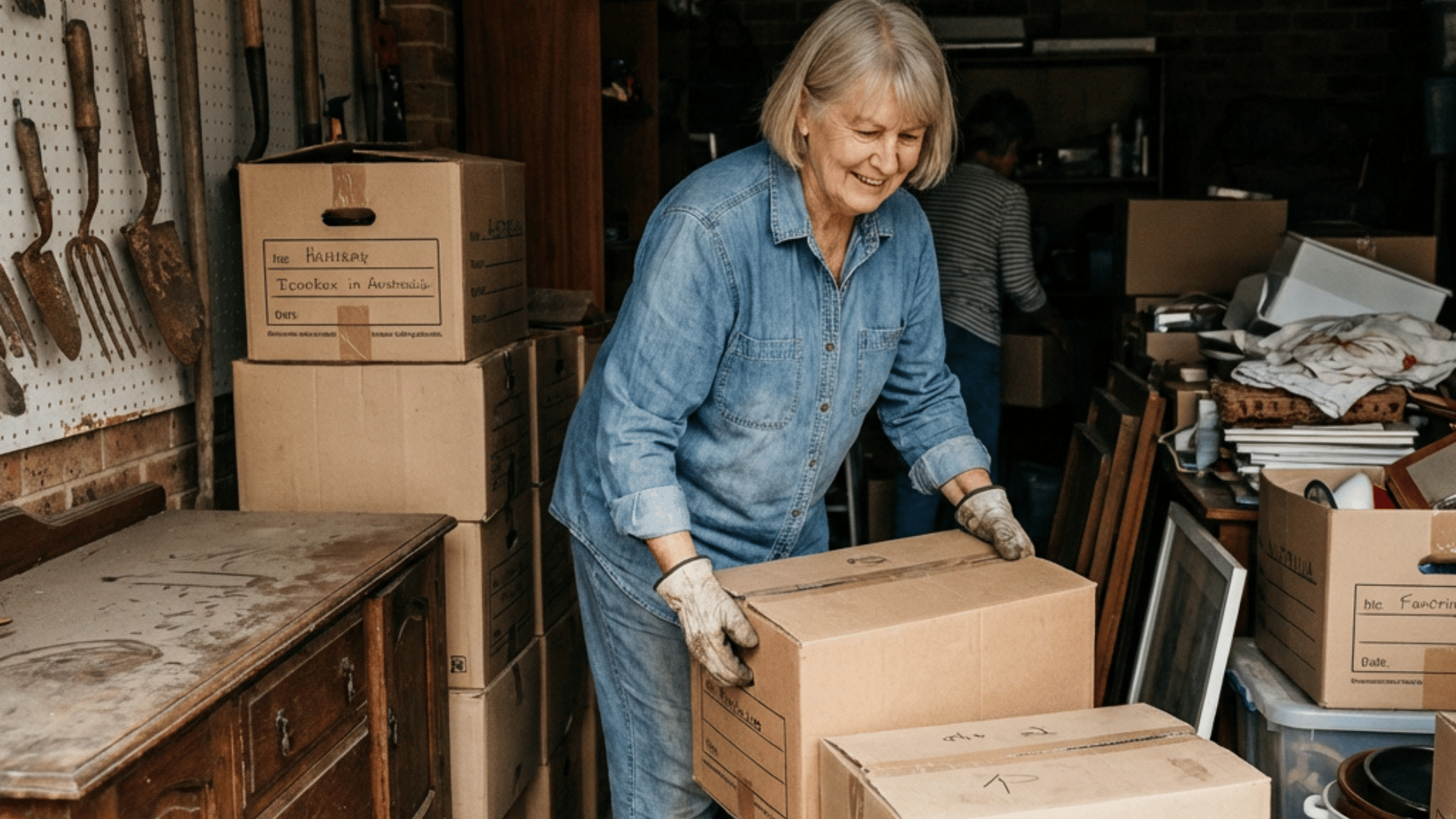
Managing a deceased estate often comes down to hundreds of small decisions made under pressure. Creative Surrounds supports families through the practical side of sorting, clearing, and preparing a home, with a clear process for what is kept, what is passed on, and what is no longer needed.
How Unwanted Items Are Decided
Unwanted does not always mean worthless. It usually means an item is not being kept by the family, is not required for storage, and is not part of a distribution plan. The safest way to reach that decision is to sort methodically, room by room, and separate belongings into clear groups before any removals are booked.
This early sorting stage also helps avoid common mistakes, such as donating something that should have stayed with the estate, disposing of personal paperwork too quickly, or overlooking items tucked into cupboards, sheds, and storage areas.
What Happens To Items Kept By Family
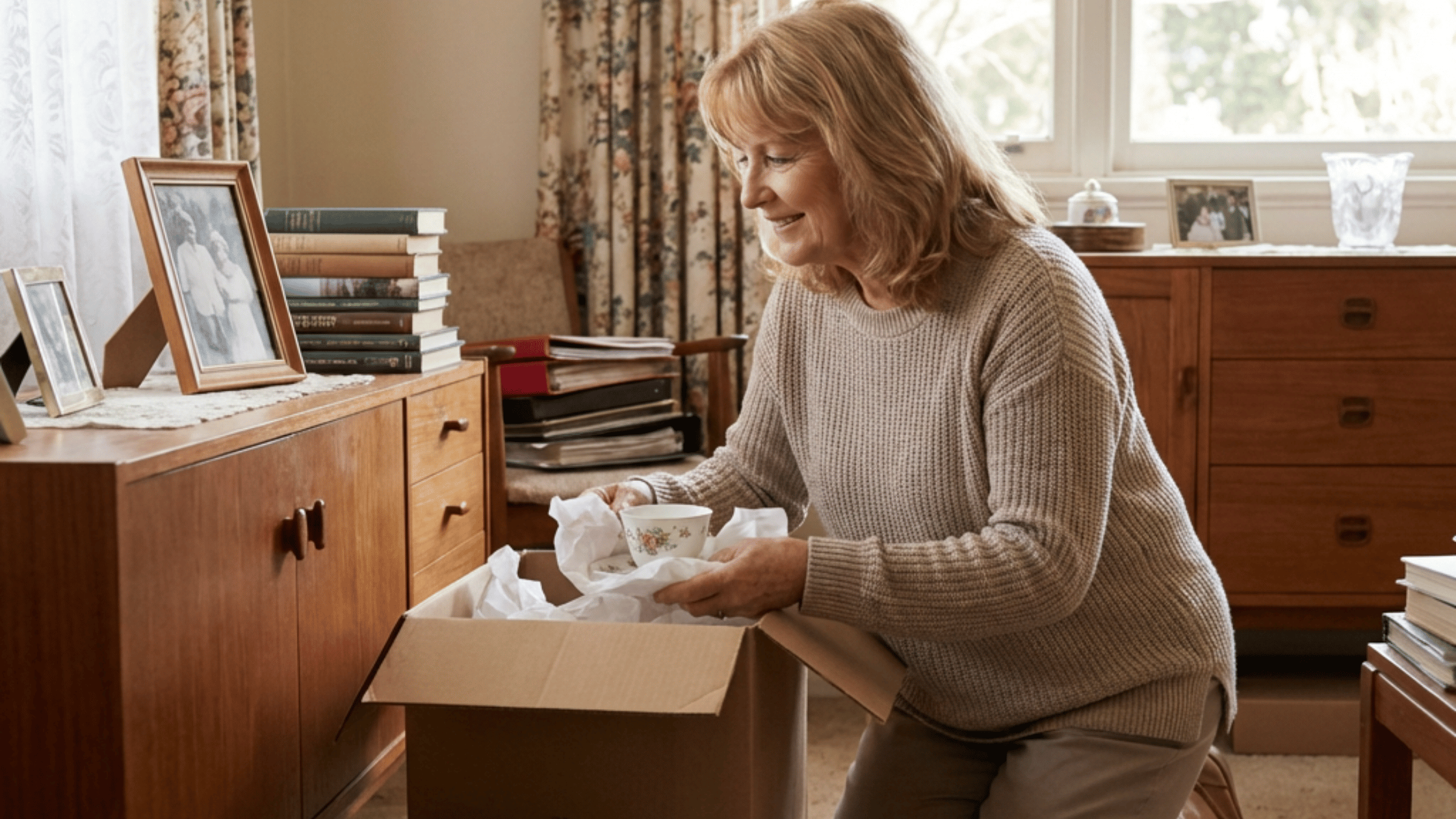
Before anything leaves the home, items intended for the family are set aside and organised for the next step. This can include sentimental pieces, photographs, personal effects, and practical items that beneficiaries have requested.
To keep the process orderly, these belongings are commonly handled in three ways:
- Sorted and labelled for collection or delivery to nominated family members.
- Packed and boxed for storage, with clear labelling for easier access later.
- Prepared for transport or courier where family members are not local.
Once everything is clearly marked and accounted for, the remainder of the contents moves into the unwanted items pathway, where decisions around donation, recycling, and disposal are made in a structured way.
Pathways For Unwanted Items
After family distributions are finalised, the remaining contents are assessed based on condition, suitability, and value. Each pathway for unwanted items ensures they are directed to the most appropriate outcome.
Donation And Rehoming
A large portion of household contents can often be rehomed responsibly, provided items are clean, usable, and suitable for donation outlets. Furniture, household goods, and some appliances may be directed to appropriate charities, depending on condition and acceptance policies.
When items have resale potential, they may be better handled through a sale process rather than donation. Creative Surrounds does not provide valuations in-house, but can connect you with trusted auction houses and professional evaluators, then coordinate the steps required for assessment and sale. This approach reduces administrative pressure while prioritising responsible rehoming and waste reduction.
Recycling, Shredding, And Responsible Disposal
Some items cannot be donated or sold, especially damaged furniture, broken goods, and general household waste. Disposal is handled carefully to reduce landfill wherever possible.
A complete clearance may include responsible recycling of e-waste, secure shredding of sensitive paperwork, and coordinated bulk rubbish removal for what remains. Every room, cupboard, and storage area is addressed so the property is left empty, safe, and ready for its next stage.
Closing The Home With Clarity
Managing unwanted items works best when donation, recycling, resale coordination, and responsible disposal are handled as part of one clear, organised process. Careful sorting, secure handling of personal information, and structured removal ensure the home is respectfully cleared and properly prepared for its next stage without unnecessary pressure on the family.
Creative Surrounds supports this process through our deceased estate management service, overseeing whole-home sorting, rehoming, recycling coordination, and responsible disposal with steady professional guidance. Contact our team to manage unwanted items with clarity and care.