
Sorting donations after a deceased estate can feel overwhelming when families are trying to understand where certain items can be donated. Knowing what charities usually accept in St Ives, Pymble, Roseville and across Sydney’s North Shore can help guide the process before belongings are packed, moved or dropped off.
Common Items Charities Welcome
Most charities accept goods that are complete and in good condition. Commonly accepted donations include wearable clothing, books, games, kitchenware, glassware, toys, CDs, DVDs and small homewares that are ready for another person to use.
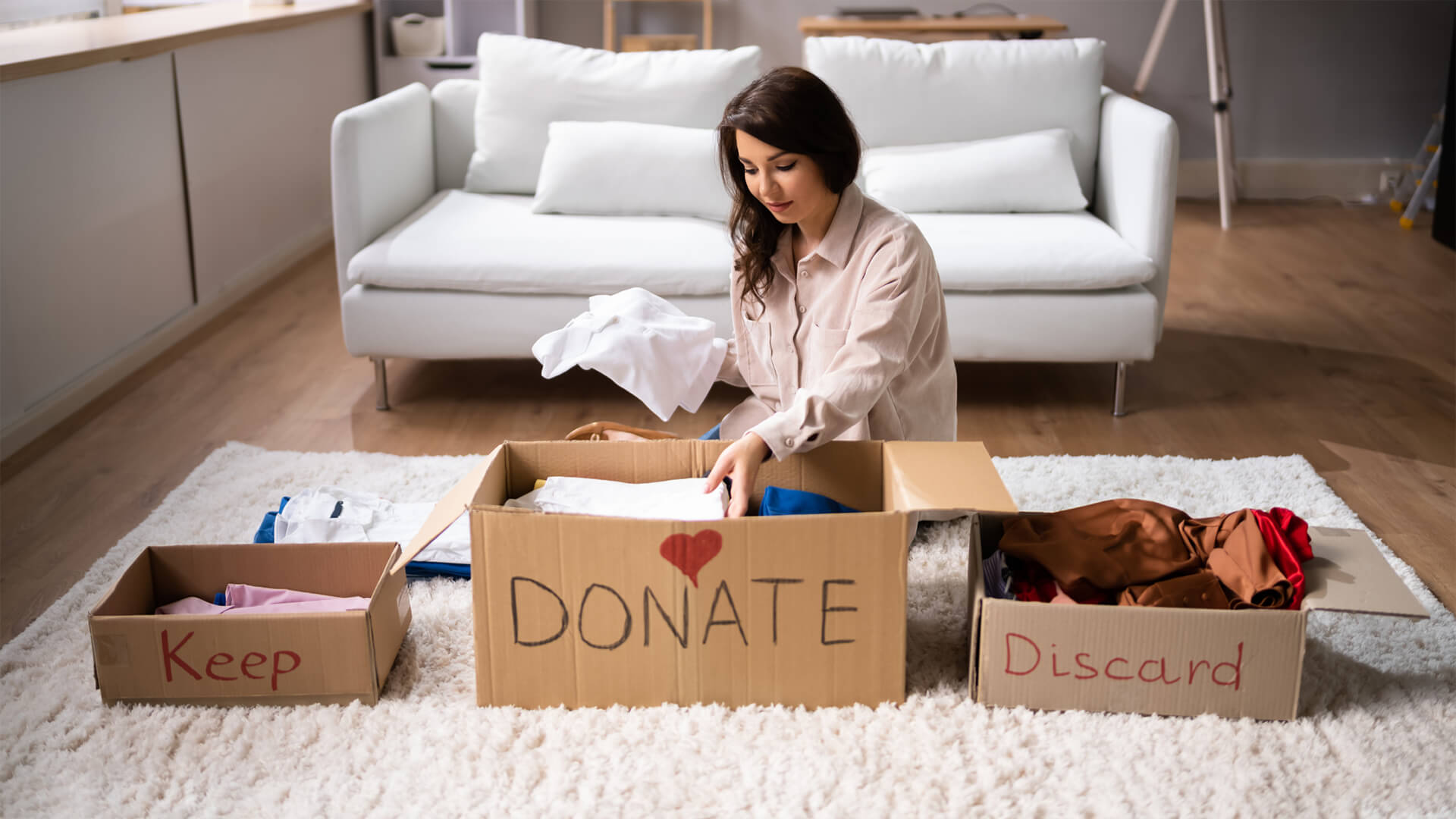
Estate clearances often include large quantities of mixed belongings, so it helps to separate donation-ready items. Clothes should be washed, shoes should be paired, books should be clean, and household pieces should be free from damage. Small items are easier for charities to manage when grouped, boxed and labelled clearly.
Know What Charities Refuse
Most charities publish what items they can and can’t accept at their stores. Checking these guidelines before donating can prevent rejected loads and reduce disposal costs for the organisation.
Common refused items can include:
- Broken, ripped, stained, mouldy, dirty or poor-quality goods.
- Used hygiene items, opened beauty products, worn bedding and used pillows.
- Children’s safety items, including car seats, cots, helmets, prams and life jackets.
- Damaged cookware, chipped glassware, scratched media and incomplete goods.
- Hazardous items such as chemicals, gas bottles, paint, tyres, knives and unsafe outdoor equipment.
- Electrical goods that cannot be tested, tagged or processed safely.
Electrical items need particular care because charity rules differ. Some stores do not accept them at all, while others only accept selected appliances or lamps if they can be checked by a qualified electrician or authorised tester.
Confirm What Each Store Can Take
Charities often assess larger or more difficult household goods separately because storage, handling and hygiene requirements can vary. Furniture, bedding and bulky items may be accepted at one location and refused at another, even within the same organisation.
Charities should be contacted before larger items are packed or transported. A quick call can clarify whether the item can be accepted, whether collection is available and whether photos are needed before approval. Certain organisations may refuse baby furniture, damaged pieces, oversized items or anything that cannot be handled safely.
Selected linen in good condition may be accepted, while many charities refuse pillows, quilts, mattress protectors and stained items because of hygiene concerns.
Managing Estate Donations
Donation can be one of the most positive parts of clearing a deceased estate, provided belongings are sorted with realistic charity rules in mind. Useful items can support community services, reduce landfill and give families a clearer way to move through the practical work of an estate.
Creative Surrounds assists with deceased estate clearances across Sydney’s North Shore, helping sort, identify and pack donation-ready items while managing the remaining contents responsibly. Support from an experienced clearance service can reduce confusion, prevent unsuitable drop-offs and make the donation process more organised.
Contact Creative Surrounds for deceased estate clearance support that helps sort, identify and pack donation-ready items.