
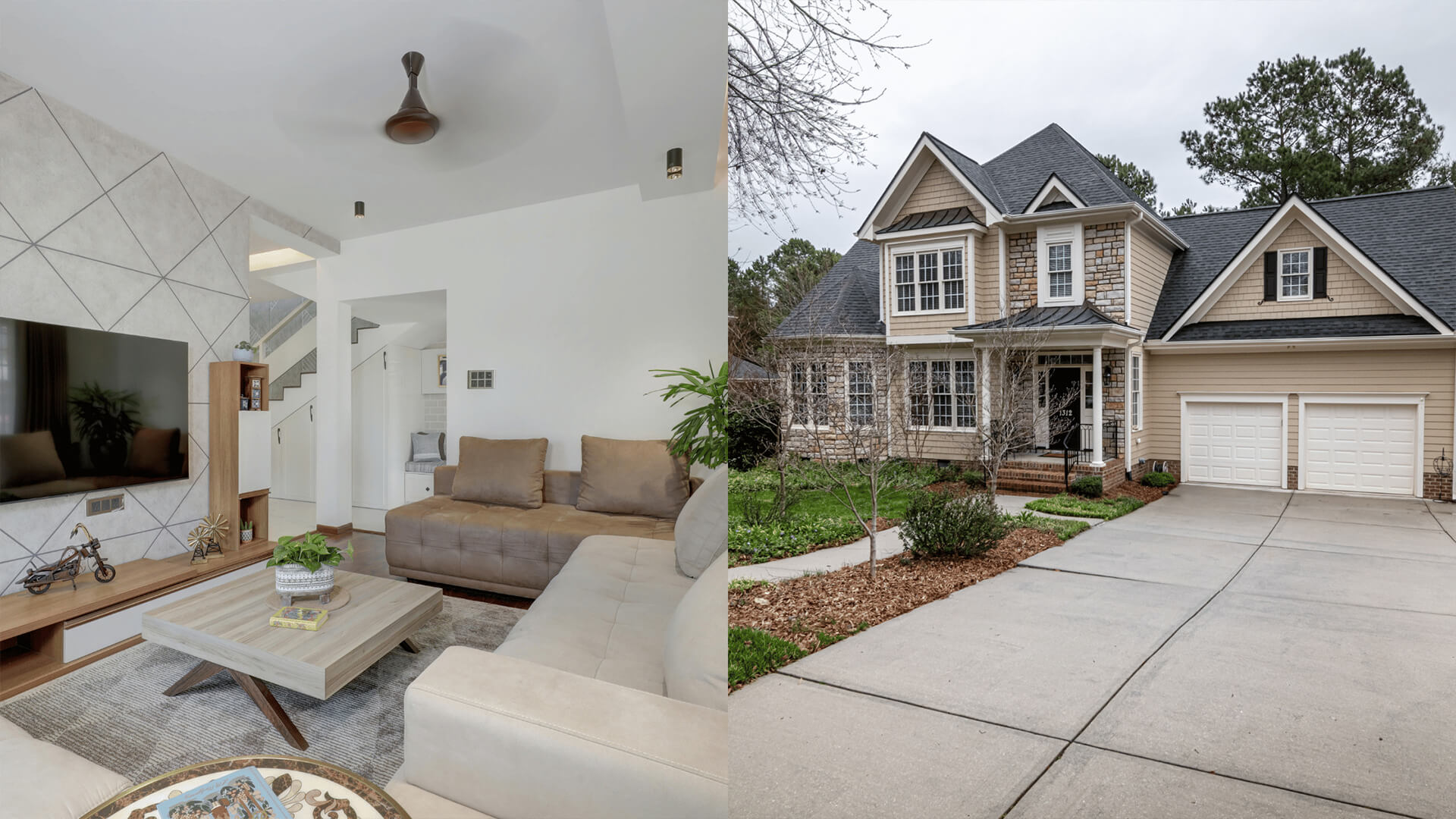
Clearing a deceased estate is never just a checklist, and the property type directly shapes how the clearance plan should be built. An apartment and a family home present different logistical, practical, and administrative considerations. Understanding how the clearance requirements shift between property types helps ensure the plan reflects the size, access conditions, and volume involved.
Property Size And Scope
The most obvious shift between an apartment and a family home is scale.
Apartments typically have fewer rooms, limited storage areas, and less accumulated furniture. This can support a faster turnaround, fewer vehicles, and a more contained sorting process. Lift access, loading zones, and body corporate rules still need to be factored into scheduling, as these can influence how efficiently the work progresses.
Family homes often hold decades of belongings. Garages, sheds, roof cavities, and under-house storage add volume quickly. A three-bedroom home with mixed contents may include bulky furniture, outdoor equipment, and archived paperwork that require careful organisation. The clearance plan must account for multiple loading trips, structured room-by-room sorting, and additional labour for heavier or more awkward items.
Matching the plan to the size and layout of the property helps keep the process controlled rather than reactive.
Contents And Valuable Considerations
The nature of a house’s contents can shape the approach needed when clearing a property.
Apartments commonly contain standard household goods and personal effects. While sentimental and valuable items may still be present, the overall spread of large or specialist pieces is often more contained. This makes the sorting and planning process more straightforward.
Family homes frequently present a broader mix of items collected over many years. Antiques, jewellery, artwork, tools, and extensive paperwork may be distributed across multiple rooms and storage areas. Some belongings may require a professional appraisal before distribution or sale. Others, such as old chemicals or outdated electronics, need responsible recycling or handling.
Where there is a heavier accumulation of items, the plan becomes more detailed. Extra time for sorting, additional disposal requirements, and more complex access management can all influence labour, transport, and overall cost.
Managing Constraints And Timeframes
Access conditions can either streamline or complicate a clearance, regardless of property type.
Apartments may involve lift bookings, restricted parking, or narrow hallways that require careful coordination. Family homes can introduce their own challenges, including steep driveways or limited street access for larger vehicles.
Executors must also ensure they have proper authority before distributing items, and everything should be recorded in a clear inventory. Removing belongings before the estate is formally valued can lead to disputes between beneficiaries. Insurance should be considered before any items are moved to protect both the executor and the estate during clearance.
Acting promptly can help limit ongoing expenses, yet careful documentation and communication should always guide the process.
Coordinating On-Site Clearance
A successful clearance relies on structured coordination rather than simple removal.
For both apartments and family homes, the process generally includes:
- Sorting and categorising belongings into keep, donate, sell, and discard
- Packing and careful handling of fragile or high-value
- Room-by-room organisation to ensure nothing is overlooked
In larger homes, this coordination often extends to garages, sheds, and outdoor areas, and may involve staged storage if the property must be vacated quickly. In apartments, the focus is more often on precise scheduling and efficient load-outs within permitted building hours.
The principles remain consistent, but the execution adapts to suit the environment.
A Clearance Plan That Reflects The Property
Every deceased estate carries emotional weight, whether it is a compact apartment or a long-held family home. A considered clearance plan supports the estate’s financial position while giving families the structure they need during a difficult time.
At Creative Surrounds, we tailor each deceased estate clearance to the property itself, coordinating sorting, valuation support, donations, and responsible disposal with steady communication throughout.
Contact our team to put a structured clearance plan in place that matches the property and your needs.