
Clearing a deceased estate in Northbridge, St Ives or across Sydney’s North Shore can reveal safety issues that are easy to miss. When mould, spoiled food or biohazard risks are present, careful handling helps protect surfaces, air quality, stored belongings and everyone involved in the clearance.
Identify Risks Before Sorting
A deceased estate home can hold moisture, old pantry items, closed rooms and stored belongings that have not been touched for some time. Before clearing begins, each area should be checked for visible mould, musty odours, spoiled food, damp materials and signs of contamination.
Mould in a deceased estate home needs particular care because spores can spread when disturbed. Growth can appear on walls, carpets, stored boxes, insulation or behind furniture, while musty smells can point to moisture behind surfaces.
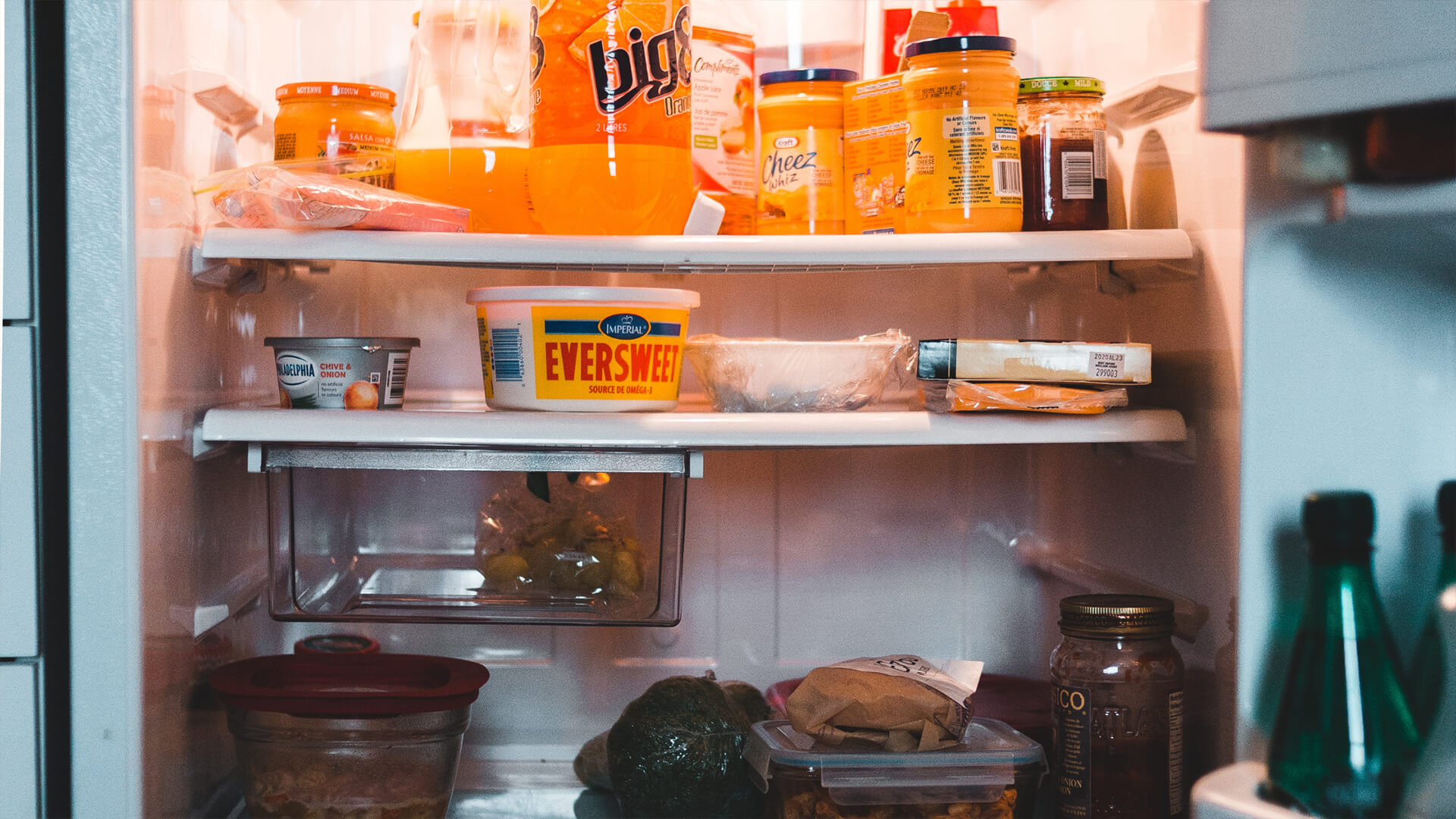
Spoiled food should be handled carefully because perishable items can support bacteria, fungi, mould, odours and airborne contaminants. Decomposing food can attract insects or rodents, which adds another concern when cupboards or storage areas are being cleared.
Handling Mould Safely
Mould should not be brushed, shaken or vacuumed with standard household equipment during an estate clearance. Disturbing contaminated dust can move spores through the property, especially when boxes, carpets, curtains or soft furnishings are handled too quickly.
Small, contained areas might be manageable with appropriate protective equipment, careful cleaning and proper drying, but larger growth or hidden mould should be treated more cautiously. Porous materials such as carpet, insulation and damaged plasterboard can be difficult to clean once mould has taken hold.
Managing Spoiled Food
Food waste left in fridges, freezers, pantries or bins can create strong odours and hygiene risks during an estate clearance. Rotten or leaking items should be bagged, contained and removed without dragging residue through other parts of the home.
Affected cupboards, shelves, appliances and flooring often need more than a basic wipe-down. Residue, odour and bacteria can remain where liquids have leaked or packaging has broken down. Lingering smells can also settle into nearby materials.
Know When To Use Professional Support
Professional support is important when mould is widespread, odours are strong, spoiled food has leaked into surfaces or affected air quality is a concern. These issues are not always visible, and standard household cleaning can miss contamination in porous materials, cupboards, flooring or stored items.
Specialist cleaners can assess affected areas, contain contamination and use appropriate disinfection, odour treatment, filtration or disposal procedures. A careful estate clearance process should recognise when a safety issue needs technical cleaning before items are handled further.
Careful Support For Safer Clearances
Safe estate clearance depends on recognising when a home needs more than sorting and removal. Mould, spoiled food and biohazard risks can affect surfaces, air quality and stored belongings, so a careful process helps protect everyone involved before the home moves into its next stage.
Creative Surrounds provides deceased estate clearances across Sydney’s North Shore, with practical support for assessing what needs attention, coordinating the right help and keeping the process organised. When specialist cleaners are required, our role is to make sure safety concerns are recognised early and the clearance continues with the right structure around it.
Manage mould, spoiled food and hidden estate risks with Creative Surrounds.