
Clearing a deceased estate in Gordon, Northbridge, Killara or across Sydney’s North Shore often involves more than sorting household goods. Stored areas can hold materials that need careful disposal, especially when old cupboards, sheds and garages contain products that should never enter household bins.
Considered Sorting For Recycling
A careful estate clearance should separate reusable goods, recyclable materials, general waste and problem items before anything is removed. Problem waste should not be placed in yellow recycling bins or red landfill bins, because certain materials can create safety issues, contaminate recycling loads or damage waste systems.
Ethical clearance practices rely on making these decisions during sorting. Clear separation helps reduce landfill, protects waste workers and gives recoverable materials a better chance of being reused or recycled properly.
Safe Pathways For E-Waste
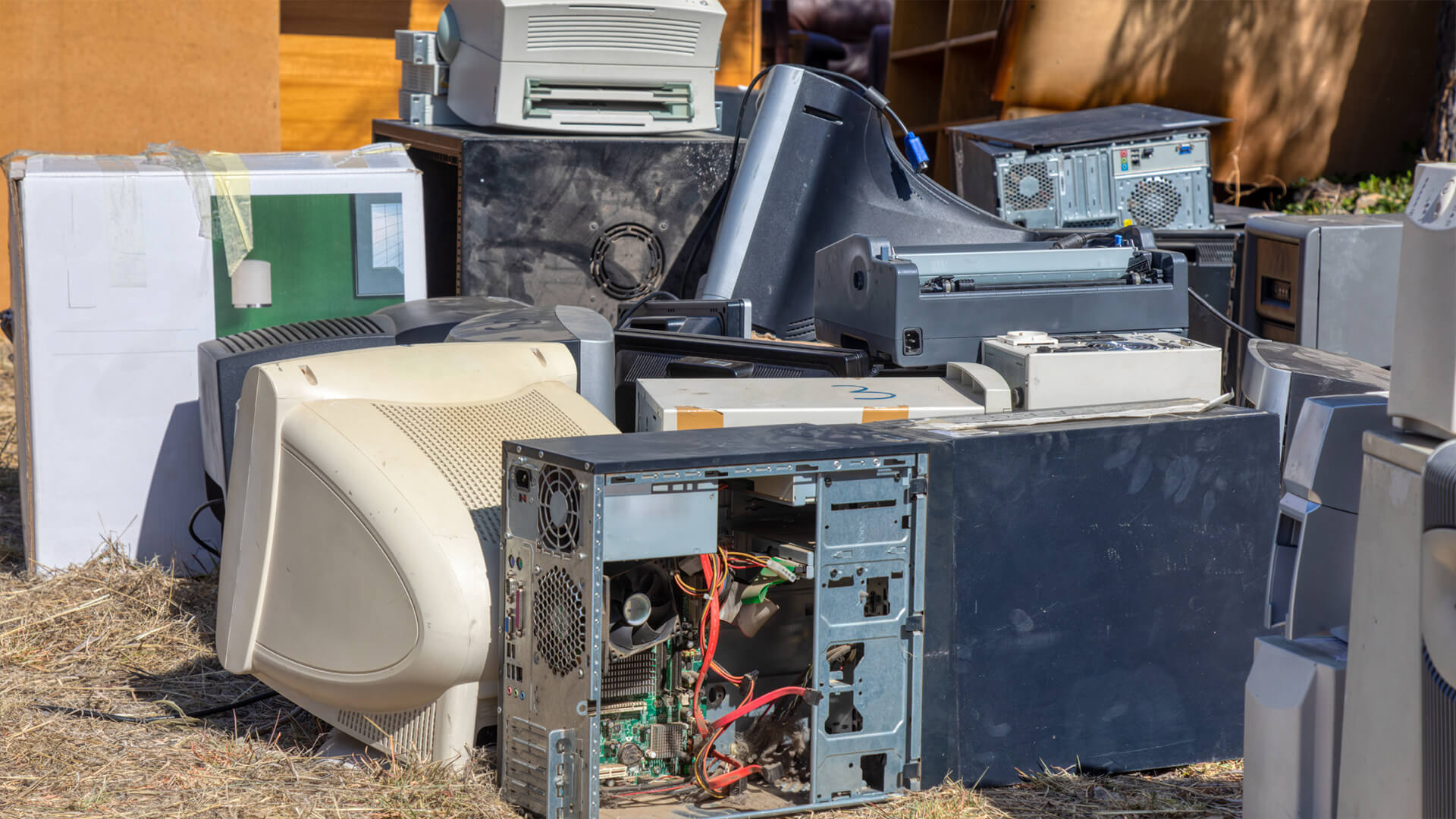
Electronic waste needs a separate disposal route during deceased estate recycling because many devices contain recoverable metals, plastics and components. Older household technology can often be recycled through council facilities, e-waste collection services or approved drop-off points instead of being treated as mixed rubbish.
Keeping e-waste separate also makes the clearance process cleaner. Electrical items placed into general waste may increase disposal costs, create handling issues and send materials to landfill when specialist recycling may be available.
Paint Disposal Requires Care
Paint products should be assessed before disposal because liquid paint can leak, contaminate waste streams and create environmental risks if handled poorly. Old tins may also be partly full, damaged or unlabelled, which makes sorting more important during an estate clearance.
Small amounts of leftover paint may be dried on absorbent material before disposal, depending on local council guidance. Larger volumes are usually better directed to programs such as Paintback or a council-approved chemical collection service.
Batteries Need Safe Drop-Off
Battery disposal needs careful handling because batteries can ignite during collection, compaction or processing if placed in standard bins. Loose household batteries, car batteries and rechargeable batteries should be kept separate and taken to an approved drop-off point.
Some household products also contain embedded batteries, which are built into the item and may not be easy to remove. Small electronics, power banks, toys and vapes should be separated where possible for a suitable recycling or problem waste service.
Chemicals Need Controlled Disposal
Chemical disposal needs a controlled pathway because many household products are toxic, reactive or unsafe for kerbside waste. Older estate items may include unknown liquids or partially labelled containers that should be handled cautiously.
Household Chemical CleanOut events, Community Recycling Centres and council waste facilities may accept different types of problem waste. Chemicals should be transported sealed, kept separate and labelled as unknown if the contents cannot be identified.
Problem Items Deserve Attention
A deceased estate can also include gas bottles, fire extinguishers, smoke detectors, fluorescent tubes, globes, aerosols, motor oil and similar items that are not suitable for kerbside bins. Community Recycling Centres accept many common household problem waste items that cannot be collected through standard services.
Many recyclable problem waste materials are accepted free of charge through approved facilities, although limits and accepted items vary between councils. Checking disposal options before removal helps avoid rushed decisions and supports a more respectful, environmentally responsible clearance.
Responsible Recycling During Estate Clearance
A responsible clearance gives useful goods, recyclable materials and hazardous items the right pathway, rather than treating the entire property as general waste. Careful sorting can preserve items suitable for reuse, reduce unnecessary disposal and keep problem materials away from bins where they may cause harm.
Professional support can make the process easier when a property contains mixed belongings, old storage areas or uncertain materials. Creative Surrounds helps manage deceased estate clearances with practical sorting, responsible disposal routes and a respectful approach that supports families through a difficult task.
Speak with Creative Surrounds to arrange a deceased estate clearance where recycling, problem waste and sensitive household items are handled with care.