
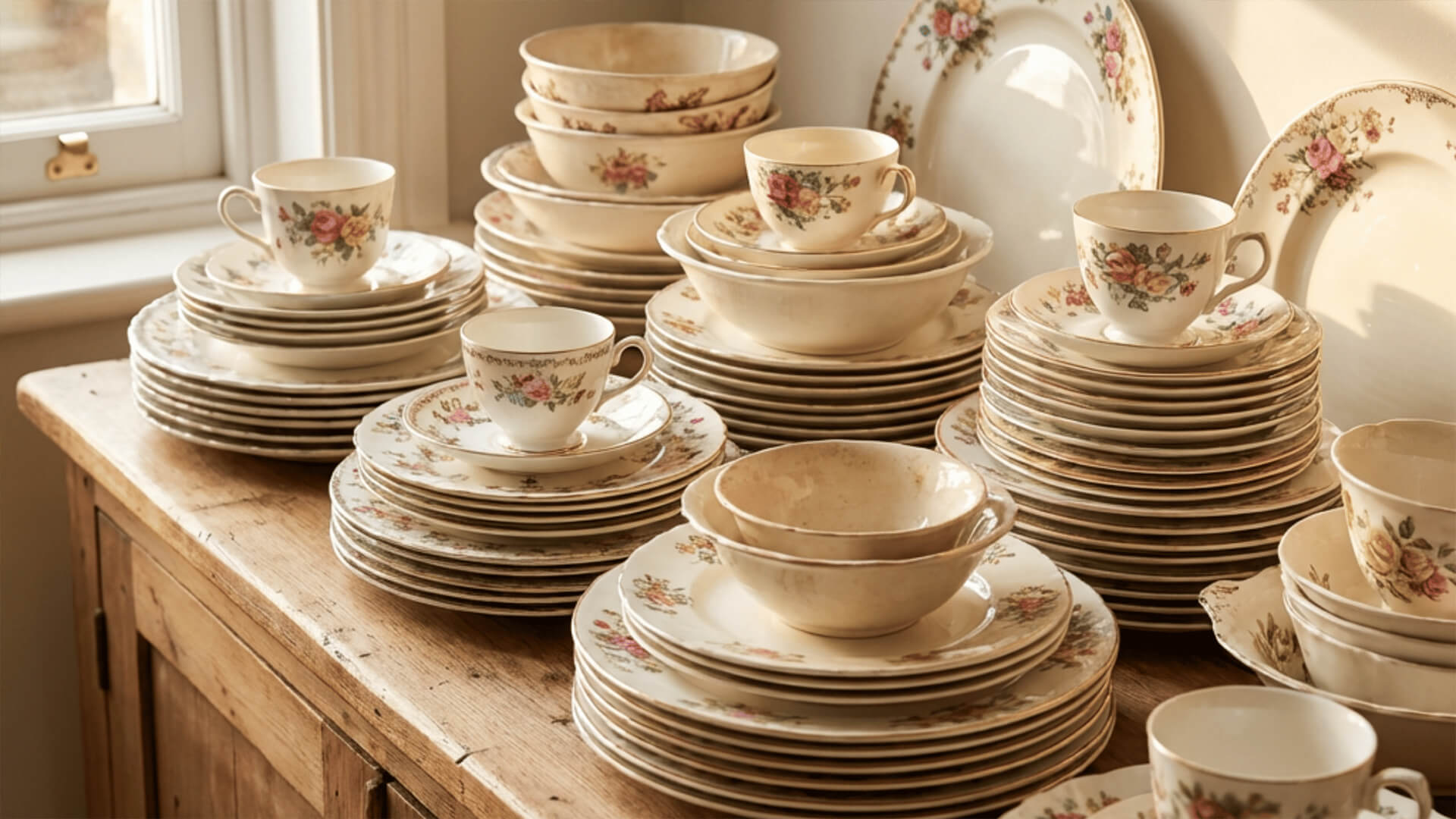
Sentimental items can bring decluttering to a standstill because they are tied to people, seasons of life, and identity rather than simple storage needs. These belongings are kept for what they represent, which is why the decision process can feel heavier than the physical task itself.
Why Sentimental Items Stall Decisions
Sentimental pieces often trigger guilt, fear of forgetting, sadness, or a sense of obligation. That response is normal, especially when items relate to childhood, milestones, grief, or family history. The sticking point is usually not the object, it is the feeling that letting go might diminish what the item represents.
A steadier way to approach it is to separate memory from responsibility. A memory can be honoured without keeping every physical reminder, and a home can hold meaning without becoming a storehouse. The aim is not to discard the past, but to choose what supports your life now, and to stop sentimental clutter from quietly taking over.
Finding The Right Time To Decide
Sorting sentimental items goes better when you have enough emotional capacity to make calm choices. Decision fatigue, stress, and time pressure make it easier to keep things by default, because keeping feels like the safer option in the moment.
Progress also becomes more realistic when you start small and contained. One drawer, one shelf, one box, or one clear category gives you a finish line you can actually reach. Completing a small project builds confidence, and that momentum makes the next round of decisions feel less loaded.
Set A Clear Keepsake Container
A gentle framework needs boundaries, otherwise sentimental items spread across cupboards, spare rooms, and storage areas. Before you begin sorting, decide what space keepsakes are allowed to occupy, such as one memory box, one tub, one drawer, or one shelf. When that space is full, the rule is simple: curate before adding.
This is also where a quick instinct check helps. When you pick something up, notice whether the response is an immediate yes. If it is not, pause and name what is driving the hesitation, such as guilt, obligation, or fear of letting the memory fade. That short pause often turns a stuck decision into a clearer one.
Define A Dedicated Space
Sentimental items need boundaries, otherwise they quietly spread into cupboards, spare rooms, and storage areas. Before sorting, decide where meaningful items will live. It might be a shelf, a drawer, or a defined area in a cupboard. The exact space matters less than the fact that it is limited and intentional.
When keepsakes have a clear home, decisions feel more grounded. If that space begins to overflow, it signals a need to review what truly belongs there rather than expanding the area. This approach keeps memories respected without allowing them to take over your home.
As you sort, notice your first instinct. If something is not an immediate yes, pause and consider why. Hesitation is often driven by obligation rather than genuine attachment, a brief reflection can prevent you from keeping items simply to avoid discomfort.
Involve Family In Meaningful Decisions
Family pieces can feel more complicated because multiple people may care about the same item, or because expectations have formed over time. A simple, calm check-in can prevent misunderstandings and help everyone feel considered.
It helps to identify key heirlooms early, document them with photos, and ask whether anyone has a strong connection to particular pieces. Where items also have meaningful financial value, a professional appraisal can support fair decision-making and remove guesswork.
A Supported Way To Move Forward
Sentimental sorting is emotional work as much as it is practical work, and it often becomes easier when the process is structured, steady, and contained. Clear categories, documented decisions, and defined storage limits help you honour what matters while keeping the rest of your home workable and calm.
Creative Surrounds supports deceased estates with a respectful, organised approach, including sorting and grouping personal belongings, preparing items for family distribution, packing for storage, coordinating donation or sale pathways, and managing full clearances so the property can move to its next stage with minimal overwhelm.