
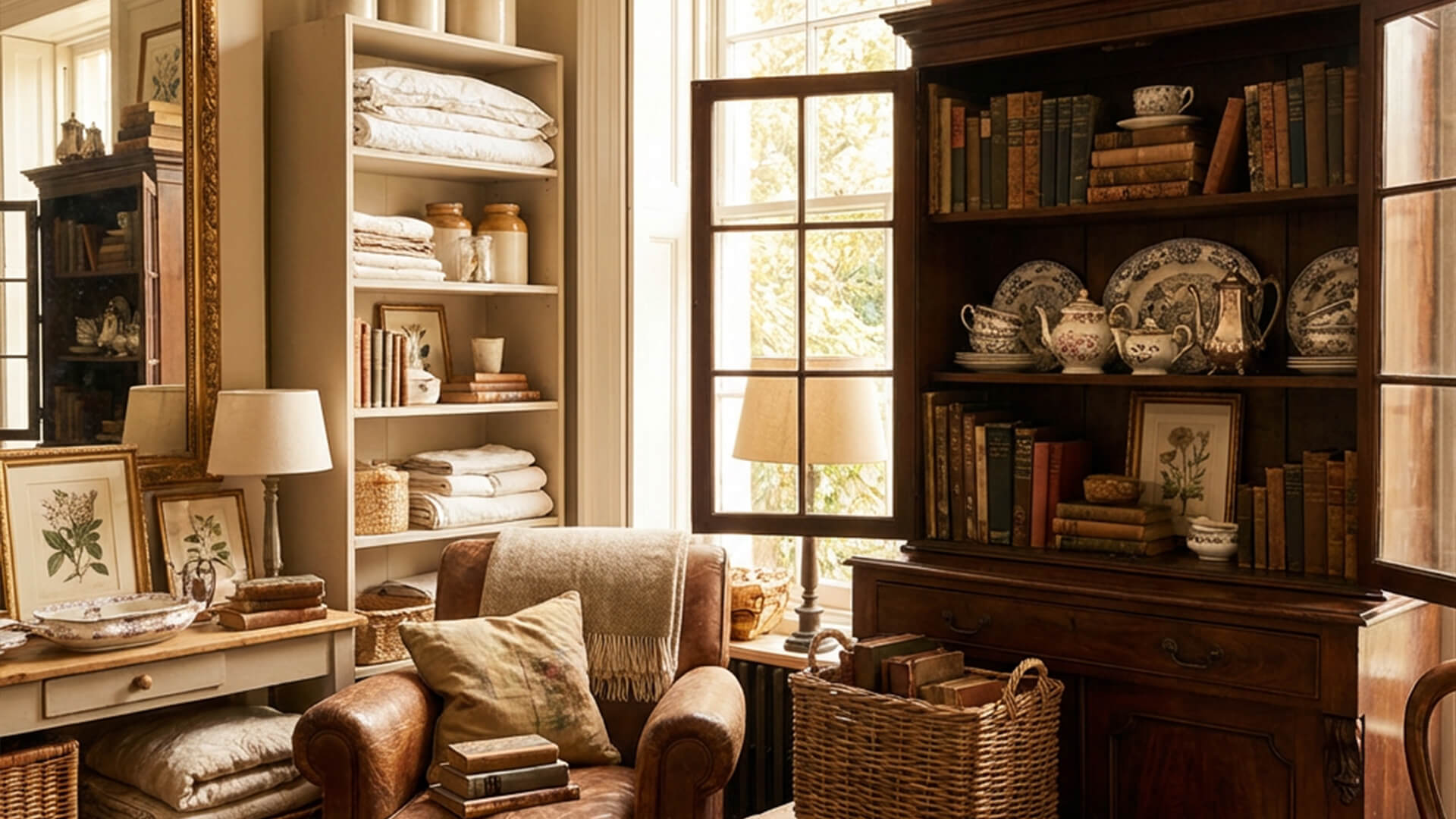
Estate clearing becomes more demanding when the busiest rooms contain mixed belongings, stored paperwork, tools, furniture, personal items, and goods that require careful removal. A clear room-by-room process helps reduce confusion, protect important items and keep the property moving toward a practical outcome.
Start With A Clear Room Order
High-use rooms often carry the most volume because they have been part of regular household routines, storage habits and family life for years. The busiest parts of a home can contain useful items, sentimental pieces, documents, tools and belongings that no longer have a clear purpose.
A planned order makes the work easier to manage. Rather than opening every cupboard and storage area at once, it helps to choose one room, finish the main sorting in that space, then move to the next. A timeline can also give the process more structure, especially when the property needs to be prepared for sale, settlement or handover.
Keep Sorting Practical
Complex rooms are harder to clear when everything is treated the same. Garage storage may hold tools, paint tins, old appliances, gardening supplies and keepsakes in the same area. A home office or study may contain personal paperwork, financial records, books, electronics and family photos. Mixed-use storage needs slower, more deliberate sorting because valuable or required items can be easy to miss.
A practical sorting process helps each decision lead into the next without turning the whole room into separate piles. Items can be grouped for family collection, donation, sale, recycling, secure document destruction or disposal. Fragile items should be set aside carefully, while paperwork should be checked before anything is removed. Important documents, including wills, insurance papers, property records, tax files and bank statements, should be separated and stored safely.
Work Through Storage With Care
Storage areas often look straightforward at first, but they can take longer than expected. A crowded garage, shed or cupboard may include belongings collected over many years, with some items still useful and others needing more careful handling before they can leave the property.
Some stored materials should not be placed into general rubbish without checking the correct disposal method. Old paint, batteries, e-waste, appliances, chemicals and sharp objects can create risks during clearing if they are handled too quickly. A slower pass through these spaces also helps protect people working in the property, particularly when shelves are crowded, boxes are heavy or access is limited.
Sort Before Removal Begins
Removal should come after important items have been identified, family belongings have been separated and saleable or donatable goods have been assessed. Rushing this stage can lead to documents, valuables or sentimental pieces being removed by mistake.
Once sorting is complete, removal can be arranged with more confidence. The next step may involve auction support, second hand dealers, donation collection, recycling services or rubbish removal, depending on what remains. Working in this order helps reduce waste and keeps the clearance focused rather than reactive.
Prepare The Property With Purpose
High-volume rooms can create the most pressure during estate clearing, but a structured approach makes them easier to work through. Clear priorities, careful sorting and safe disposal help protect what matters while moving the property closer to its next stage.
Creative Surrounds supports families with practical deceased estate management, including sorting, organising, donation coordination, removal planning and property preparation. Our team brings calm, structured help to complex spaces where mixed belongings need to be handled with care.
Get in touch with Creative Surrounds for respectful estate clearing support that keeps high-use rooms organised, safe and manageable.